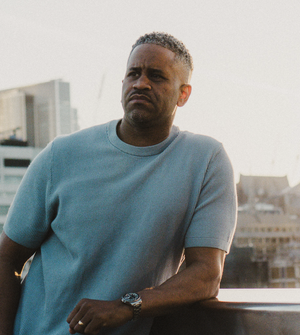
Why men don't cry, and what happens to the tears instead
Ask a room full of men when they last cried, and you'll get a lot of silence. Some will say a funeral. Some will say a film, and laugh it off. Many genuinely can't remember.
Most of us learned early. Big boys don't cry. Stop crying or I'll give you something to cry about. Man up. We learned that tears made us look weak, made other people uncomfortable, or got us hurt. So we stopped.
But stopping the tears doesn't stop the sadness. It just sends it somewhere else.
Where the tears go
In my therapy room, I've learned to look for sadness in places men don't expect. Here are some of the most common.
Anger. For many men, anger is the only emotion that feels allowed. It's active and strong. So hurt, grief, disappointment and fear all come out as irritation, a short fuse or a sudden explosion. Underneath the anger, there's very often something sad.
Work. Staying busy is a respectable way to never feel anything. Long hours, constant phones, always another project. If you never stop, the sadness can't catch up with you. Until it does.
Numbing. Drink, weed, gambling, gaming, porn, scrolling. Anything that switches the feeling off for a while. These aren't really about pleasure. They're about relief.
The body. Tension in the jaw and shoulders, headaches, stomach problems, poor sleep, exhaustion with no clear cause. Feelings we don't express often show up physically.
Distance. Some men go quiet. They withdraw from partners, children and friends. They're in the room but not really there. People around them describe them as closed off, but inside, they're often just full.
Why it matters
Unexpressed sadness doesn't fade with time. It builds. Over years it can turn into low mood or depression, broken relationships, or a crisis that seems to come from nowhere.
And it gets passed down. Men who never learned to feel often raise sons who never learn either.
Crying isn't the goal
I'm not saying every man needs to cry more. Some men express grief in other ways, and that's fine. The goal isn't tears. It's being able to feel what you feel, name it and let it move through you, rather than locking it away or letting it leak out sideways.
How to start
If this sounds familiar, here are three small things to try:
Name it. When you feel something, try to put a word on it. Not just "stressed" or "fine", but sad, disappointed, lonely, hurt, scared. Naming a feeling reduces its power.
Look under the anger. Next time you snap, ask yourself afterwards: what was underneath that? What was I actually feeling?
Give it somewhere to go. A walk without your phone. Writing it down. Music that moves you. One honest conversation with someone you trust.
You don't have to do it alone
Many men find it easier to start with someone outside their life: a therapist, or a group of men who are learning the same thing. At UNBOUND, that's a lot of what we do.
https://www.unboundformen.com/therapyformen
Frequently asked questions
Is it normal for men not to be able to cry? It's very common. Many men learned to shut down tears in childhood. It doesn't mean something is wrong with you, but it can mean feelings are being held in.
Can suppressed emotions cause anger? Yes. Anger is often a cover for hurt, grief or fear, especially in men who learned that anger was the only acceptable feeling.
Maktuno Suit is a UKCP-registered psychotherapist with over 15 years' experience and the founder of UNBOUND, a London practice for men.