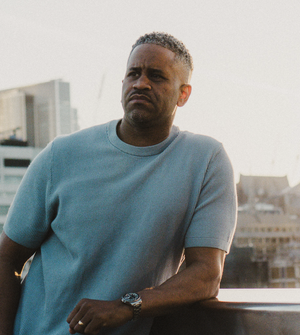
Racial trauma: what it is and how it affects Black men
Many Black men I work with have never used the words "racial trauma". But when I describe it, they nod. They know exactly what I mean. They've been carrying it for years.
What is racial trauma?
Racial trauma is the emotional and psychological impact of experiencing racism. It can come from one major event, such as being attacked, wrongly accused or humiliated because of your race. But for most Black men, it builds up over time, through countless smaller experiences that add up.
Think about the moments many Black men in Britain will recognise:
Being followed around a shop
Being stopped and searched, or watching friends get stopped
Being called aggressive for speaking with confidence
Being overlooked for promotion, or told you're "not quite the right fit"
Having to be twice as good to be seen as equal
Comments about your hair, your accent or your name
Hearing about another Black man harmed or killed, and knowing it could have been you
Any one of these might seem small on its own. Together, over a lifetime, they shape how you see the world and yourself.
It doesn't only come from your own experience
Racial trauma can also be passed down. Many of our parents and grandparents faced open hostility when they arrived in Britain: signs refusing rooms, violence on the streets, unfairness at work. Many coped by staying quiet, working hard and never talking about it.
Those survival strategies made sense. But the unspoken pain doesn't disappear. It can show up in families as strictness, emotional distance, anger or an expectation to always be strong.
How it shows up in Black men
Racial trauma doesn't usually look like what people imagine trauma to look like. It often shows up as:
Always being on guard: scanning rooms, watching how you come across, never fully relaxing
Anger or irritability that seems bigger than the moment
Exhaustion from constantly adjusting yourself to fit in
Mistrust of institutions, employers or services
Self-doubt, or feeling you have to keep proving yourself
Shutting down: not talking, not feeling, just getting on with it
Numbing: drink, weed, porn, gaming or overwork to switch off
Many men don't connect these to racism at all. They just think it's who they are.
Why naming it matters
Naming racial trauma isn't about seeing yourself as a victim. It's about understanding what you've been carrying, so you can choose what to do with it.
When men realise their hypervigilance, anger or exhaustion makes sense given what they've lived through, something often eases. The shame lifts. They stop thinking "something is wrong with me" and start thinking "something happened to me, and I can work with that."
Steps toward healing
Name your experiences. Write down moments that have stayed with you. Notice how they still affect you.
Talk to someone who gets it. A friend, a mentor, a men's group or a therapist who won't dismiss or minimise what you share.
Notice when you're on guard. Find places and people where you can fully relax, and spend more time there.
Look after your body. Chronic stress lives in the body. Sleep, movement and rest are not luxuries.
Break the silence for the next generation. Talking about it with your children, in an age-appropriate way, helps them carry less.
Support with someone who understands
Many Black men find it easier to explore racial trauma with a therapist who shares or deeply understands their experience. As a Black British psychotherapist, I work with men carrying exactly this.
https://www.unboundformen.com/therapyforblackmen
Frequently asked questions
Is racial trauma a real diagnosis? Racial trauma isn't a formal diagnosis, but it is widely recognised by therapists as a real source of psychological distress, and its effects can overlap with anxiety, depression and post-traumatic stress.
Can racial trauma affect mental health? Yes. Repeated experiences of racism can contribute to stress, anxiety, low mood, anger and difficulty trusting others.
Maktuno Suit is a Black British, UKCP-registered psychotherapist with over 15 years' experience and the founder of UNBOUND, a London practice for men. [UKCP profile] (link to your UKCP profile)