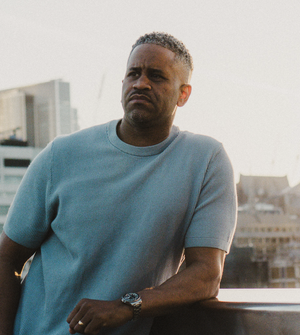
Lonely at the top: leadership, loneliness and the men who carry it
He has a full diary, a team that reports to him and hundreds of contacts in his phone. People want his time. And he feels completely alone.
I've seen this from two sides. Before I became a psychotherapist, I spent years as an HR director in large organisations, sitting next to senior leaders as they made hard decisions. Now I sit with leaders in my therapy room, from business, churches and institutions. The same thing comes up again and again: the higher men go, the lonelier many of them become.
Why leadership gets lonely
It isn't that leaders have no people around them. It's that the relationships change.
People need something from you. A job, a promotion, approval, a budget. That makes honest relationships harder. You're never quite sure who is being straight with you.
You can't show weakness. Your team, board or congregation look to you for confidence. Admitting fear, doubt or exhaustion can feel risky.
You carry things you can't share. Restructures, confidential decisions, conflicts, other people's secrets. You hold it all, often alone.
Your old friendships thin out. Long hours, travel and status put distance between you and the people who knew you before.
Home gets what's left. Many leaders come home empty, with little left for their partner or children.
The hidden costs
Loneliness in leaders doesn't usually look like sadness. It looks like:
Overwork: if you're always busy, you don't have to feel it
Irritability and a short fuse at work or at home
Numbing: drink, porn, gambling or endless scrolling late at night
Poor decisions, because nobody is challenging your thinking
Burnout, often arriving suddenly after years of holding it together
And there's a deeper risk. When nobody really knows you, nobody notices when you start to drift: when your ego grows, your values slip or your private life starts to separate from your public one.
Being known, not just seen
Leaders are seen by many people. Very few are truly known. And it's being known that protects us.
The leaders I see doing well have usually built a few deliberate relationships where they can drop the role:
One or two friends who knew them before the title and still treat them the same way.
A peer group of other leaders who understand the pressure and can be honest with each other.
A partner they let in, rather than protect from everything.
A therapist or supervisor, someone outside the organisation with no stake in their success, where they can say the things they can't say anywhere else.
Three questions for leaders
Who knows how you're really doing?
Who in your life can tell you you're wrong, and be heard?
Where do you get to stop being the leader?
If you can't easily answer those, it isn't a failure. It's a signal.
Support for leaders
More and more senior leaders are coming to therapy not because something has gone wrong, but because they want a confidential space to think, reflect and stay grounded as their responsibility grows. At UNBOUND, I offer one-to-one therapy for men in leadership, in London and online.
https://www.unboundformen.com/therapyformen
Frequently asked questions
Why is leadership so lonely? Leaders often can't show weakness, carry confidential pressures and have relationships shaped by power, so honest connection becomes harder the higher they go.
Can therapy help leaders who aren't in crisis? Yes. Many leaders use therapy as a confidential space to reflect, manage pressure and stay grounded, rather than waiting until something goes wrong.
Maktuno Suit is a UKCP-registered psychotherapist with over 15 years' experience, a former HR director in global organisations, and the founder of UNBOUND, a London practice for men.